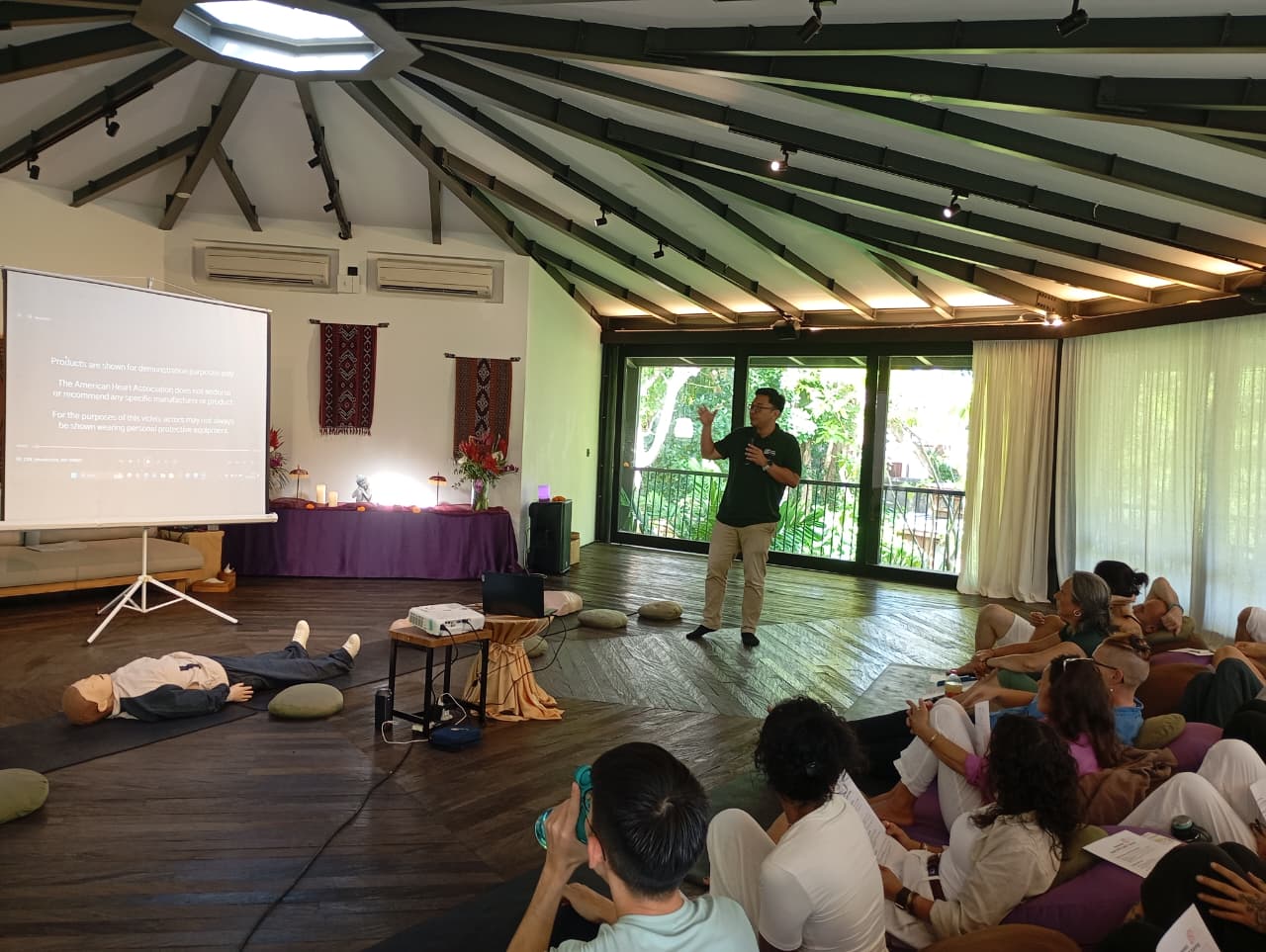
Why everyone needs to know basic CPR to save lives during an emergency. In the midst of Bali's booming tourism, being prepared for medical emergencies is becoming increasingly important.
Every Second Counts
When someone suffers a cardiac arrest, every second is precious. Brain damage can begin to occur within just 4 to 6 minutes after the heart stops beating and pumping oxygen. Unfortunately, ambulances often take longer than that to cut through traffic, especially in busy areas like Bali.
This is where Cardiopulmonary Resuscitation (CPR) plays a crucial role. Providing proper chest compressions maintains blood circulation that carries oxygen to the brain, extending the window of survival for the victim until professional medical help arrives.
"If you reached this page, I think you care enough about doing CPR. You understand that an emergency can happen to anyone, anywhere—a colleague, a friend, or a loved one."
Why Learn CPR?
Many people hesitate to perform CPR out of fear of making a mistake or worsening the victim's condition. However, doing "something" is far better than doing nothing at all. Key reasons why you should equip yourself with CPR skills include:
- It can happen anywhere: Most cardiac arrests occur at home, work, or in public facilities. The victim could be your own family or friend.
- No special equipment needed: Hands-only CPR relies entirely on your hands. You just need to know how to press the center of the chest with the correct rhythm and depth.
- Increases survival chances: Performing immediate CPR can double or even triple a victim's chance of surviving a cardiac arrest.
The Role of AEDs (Automated External Defibrillators)
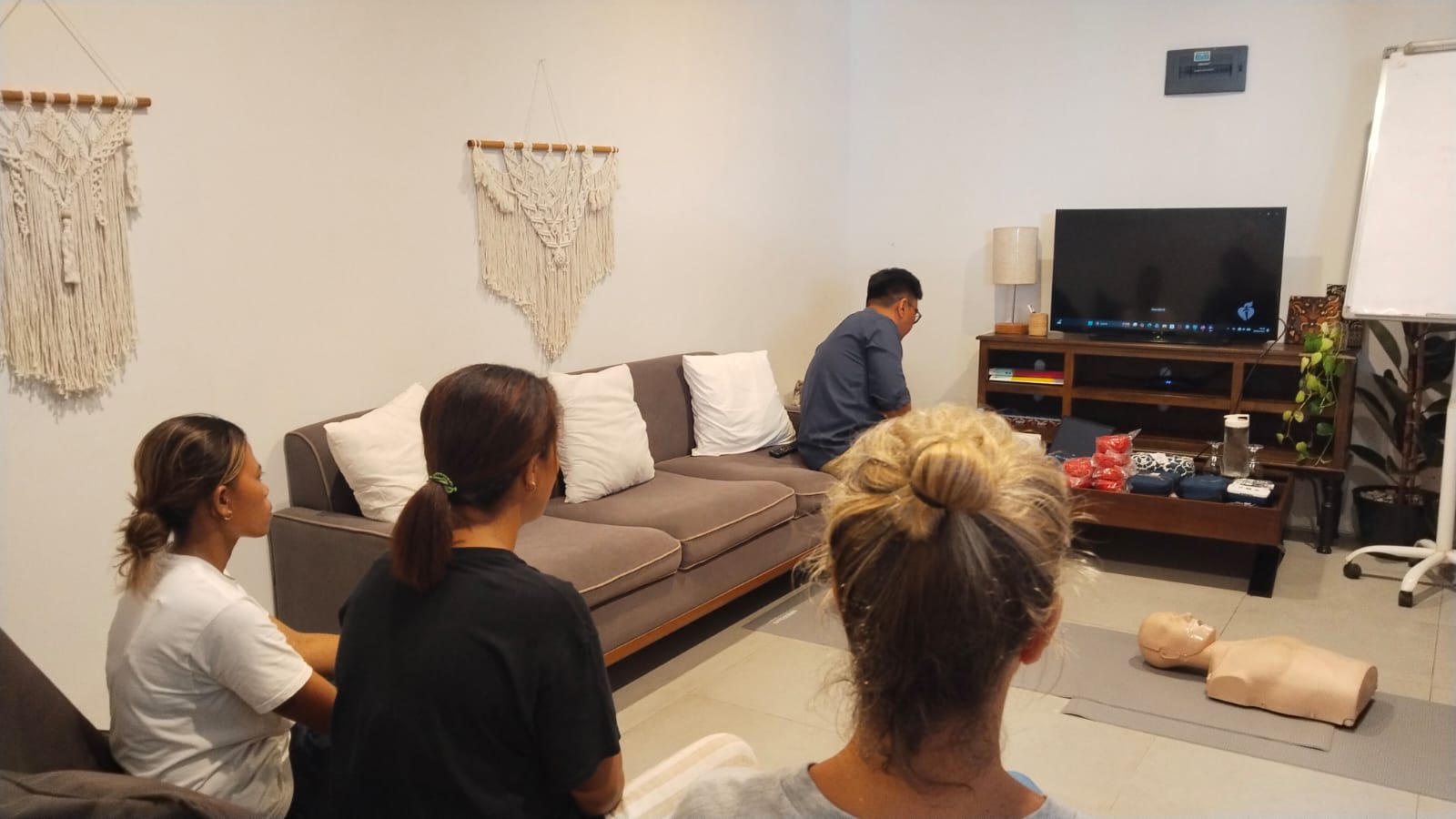
Besides CPR, the presence of an AED is also vital. An AED is a portable device that automatically analyzes the heart rhythm and delivers an electrical shock if necessary. This device is designed to be easily used even by laypeople, as it comes with step-by-step voice guidance.
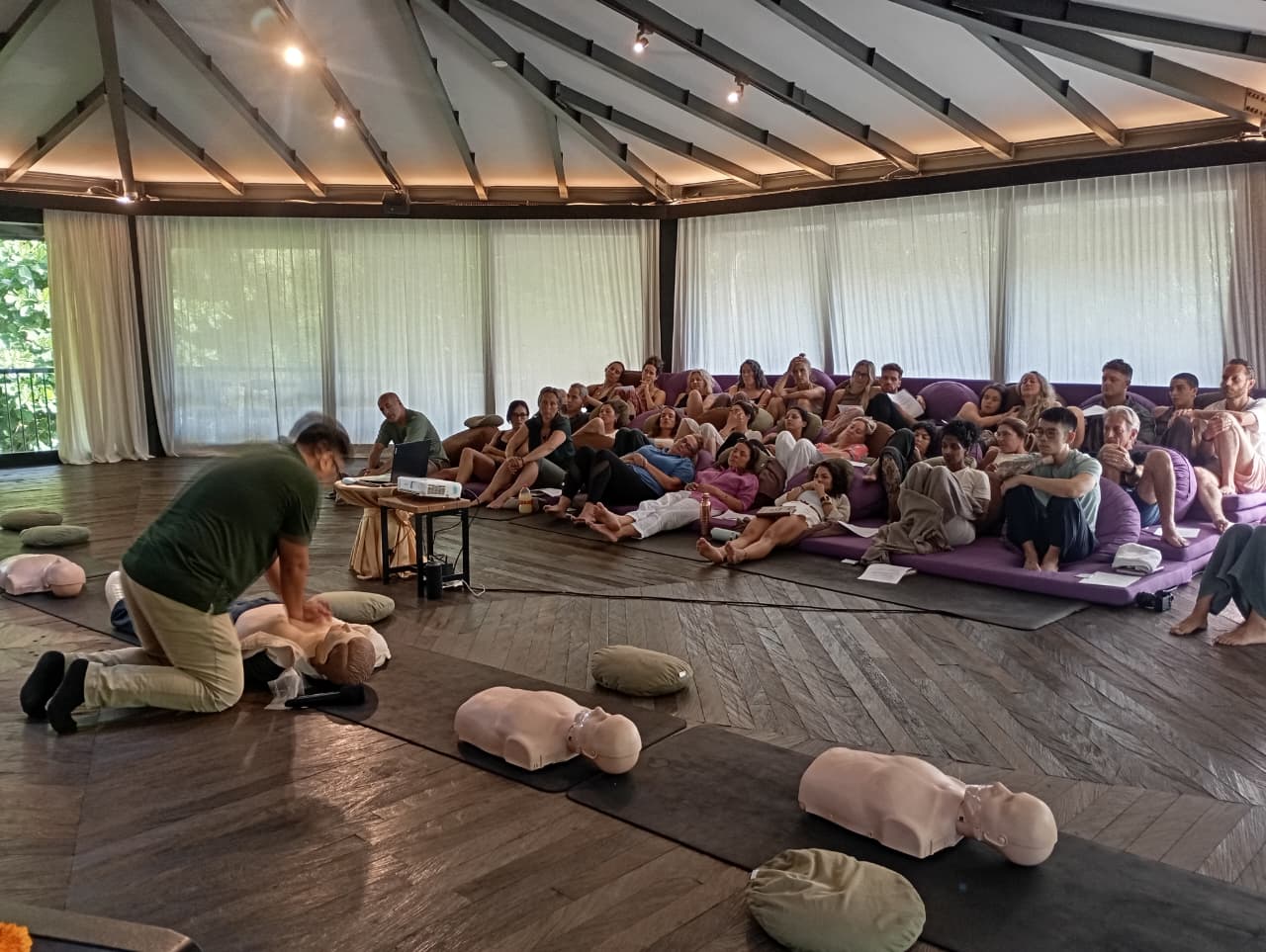
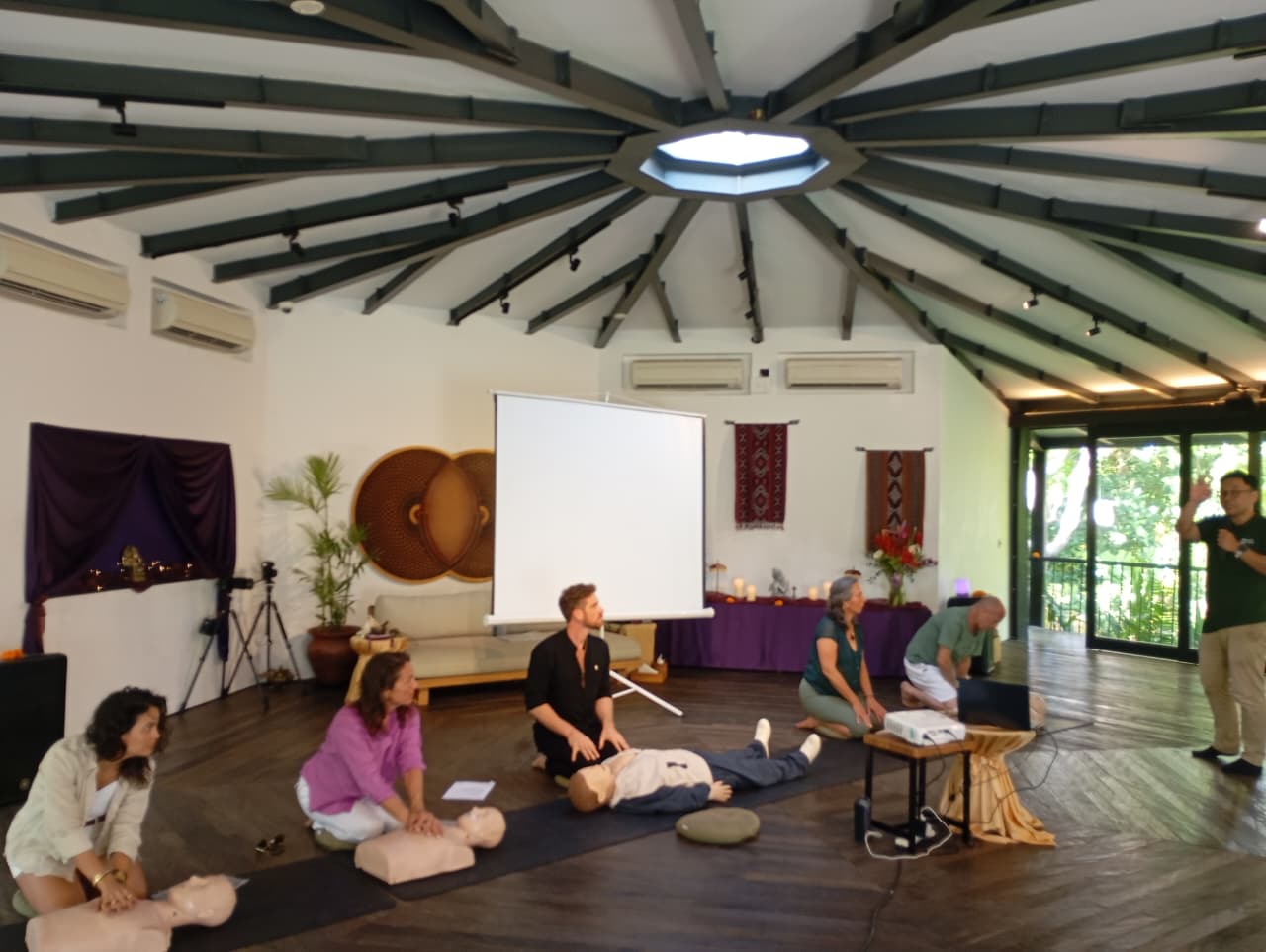
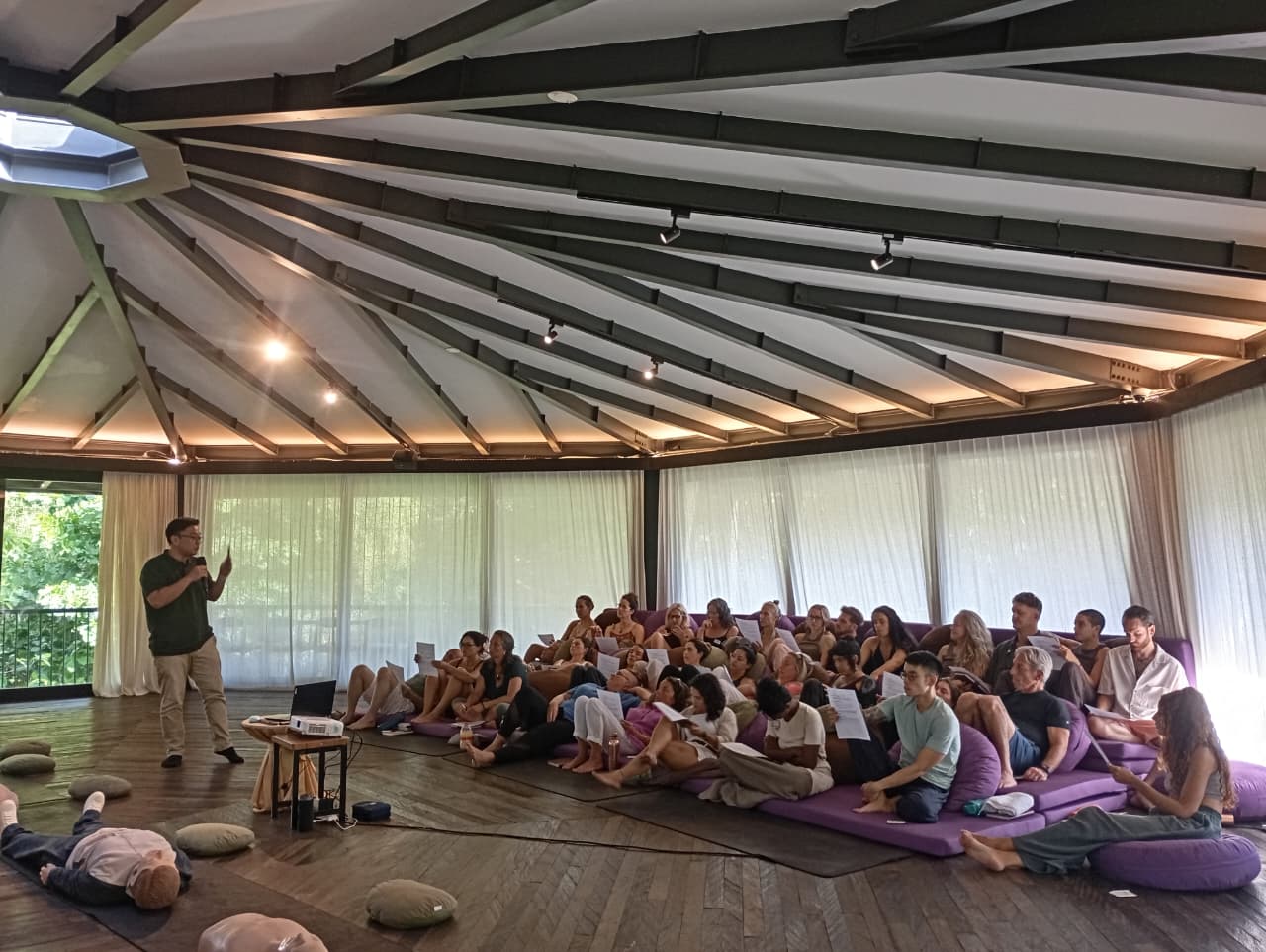
At FirstMedic, we do not only train how to perform CPR, but also familiarize participants with using an AED without panic. Building muscle memory is essential so you can react spontaneously when facing real, high-pressure situations.
Conclusion
No one hopes to face an emergency, but we all have the ability to be prepared for it. Let's create a safer environment in Bali by equipping ourselves, hotel staff, and our community with life-saving skills.
See you in class—you can be the pulse.